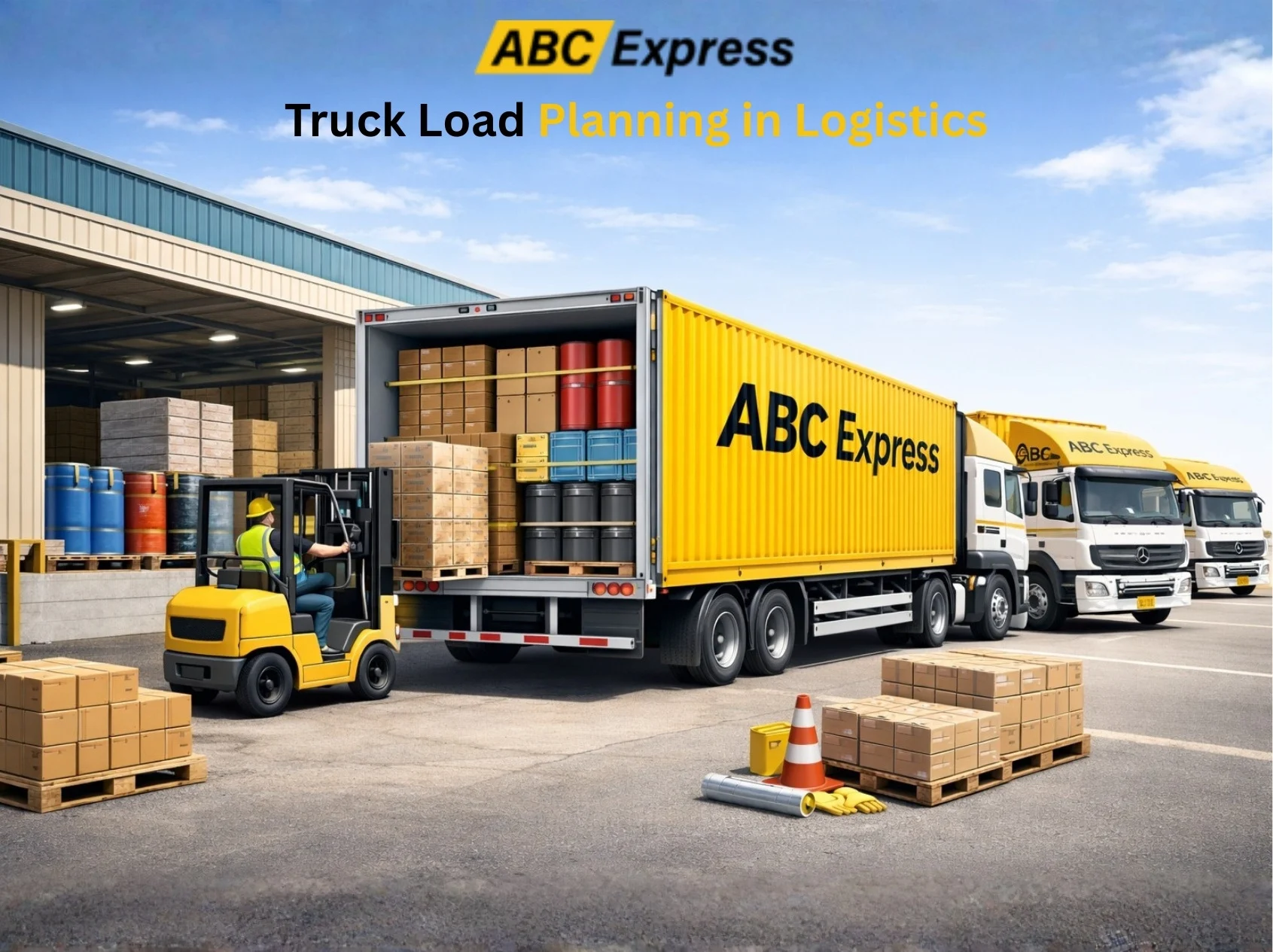
Thousands of trucks transport goods in the country every day. But have you ever wondered how companies determine what is in each truck? It is not as easy as loading boxes until the truck is full. This is where truck load planning comes in, a smart process that can save businesses thousands of rupees and at the same time deliver products to their destination safely and on time.
When you are operating a business that involves shipping products, it is not only useful to know about load planning in logistics, but it is also necessary. Lack of proper planning results in wastage of space, increased costs and delays. We are going to deconstruct all that you need to know about truck load planning and how it can revolutionize your logistics operations.
What is Truck Load Planning & Load Planning in Logistics?
Truck load planning refers to the process of planning and organizing cargo within a truck in the most efficient manner. Imagine it as a puzzle, you have to fit various-sized boxes together, and you must not break anything, you must have the weight evenly distributed, and you must use all the available inches of space.
However, load planning in logistics is not only about organizing boxes. It is an all-inclusive strategy that involves:
1.Determining the weight that each truck can safely carry.
2.Choosing the most suitable type of vehicle to use in particular shipments.
3.Arranging the order of loading and unloading halts.
4.Compliance with safety and weight regulations.
5.Optimizing truck capacity utilization.
Properly implemented, load planning in logistics assists companies to save fuel, lower operational expenses, and enhance delivery times. It is not about working harder, but smarter.
Shipment Consolidation in Logistics
Shipment consolidation in logistics is one of the most effective truck load planning strategies. This involves consolidating several smaller shipments into a single large shipment rather than dispatching each shipment individually.
Suppose you have five customers within the same city, and they order various products. You can put all the five orders in a single truck instead of dispatching five different trucks (this would be costly and inefficient). This is logistics shipment consolidation at work.
The benefits are clear:
1.Reduce transportation expenses because you are using fewer trucks.
2.More efficient use of trucks- no half-empty trucks on the road.
3.Less carbon emissions, which is more environmentally friendly.
4.Less fuel is used because of fewer trips.
A hub-and-spoke model of shipment consolidation in logistics is used by many logistics companies. Goods shipped in various places are collected at a central point, combined and then shipped collectively to their respective destinations.
Truck loading can be done in two major ways:
Full Truck Load (FTL): This is where a single shipment or a single customer occupies the full truck capacity. In full truck load – linking, the truck moves straight to pickup and delivery without making any other stops. This implies reduced transit time, less handling of goods and reduced chances of damage. It is ideal when a company has to deliver large volumes to one destination.
Part Truck Load (PTL): This is the transportation of several smaller shipments of various customers in the same truck. In part truck load, the logistics company selectively pairs shipments with similar routes, destinations, or delivery schedules. This maximizes the use of vehicles and shipping becomes affordable to businesses that do not require a full truck.
Knowledge of whether you require full truck load or part truck load can greatly influence your shipping expenses and delivery performance.
Benefits of Proper Truck Load Planning
The payoffs are high when you take time and effort to plan your truck loads properly. Businesses can expect the following:
Improved Truck Usage: No longer half-empty trucks on the road. Effective load planning in logistics means that each trip utilizes the available space to the maximum, which directly translates into cost savings.
Lower Transportation Costs: When you consolidate shipments in logistics by optimizing loads, you require fewer trucks to transport the same volume of goods. The reduced number of trucks implies less fuel, less driver expenses, and less maintenance expenses.
Quick Deliveries: Strategic truck load planning assists in developing efficient routes and minimizing unnecessary stops. With the proper organization of shipments, the delivery time will be much better, and your customers will be satisfied.
Reduced Fuel Usage: Optimized loads imply fewer trips and more planned routes. This saves money and also lowers your carbon footprint- a win-win to your budget and the environment.
Better Supply Chain Efficiency: When your logistics processes are efficient due to efficient load planning in logistics, the whole supply chain is improved. Products are moved more quickly, inventory is managed more easily and you are able to respond more quickly to customer demands.
Improved Safety: The correct weight distribution eliminates accidents and adherence to transportation rules. This safeguards your products, your drivers and other road users.
Why Choose ABC Express?
At ABC Express, we know that truck load planning is not only about filling trucks but also about establishing partnerships founded on trust and accountability. We understand that each delivery is your business reputation, and we handle it with the seriousness it deserves.
Our team applies the latest technology and decades of experience to develop tailored logistics solutions. You need full truck load – connecting large shipments or part truck load – connecting to share space efficiently, we have you covered. We are experts in consolidation of shipments in logistics and we assist companies like yours to save money and still have a good delivery schedule.
Our difference is that we are dedicated to smooth operations. We do not simply transport your products between point A and point B, we offer peace of mind. You are always aware of the progress of your order through our transparent tracking systems and our support team is always available to answer your questions.
Conclusion
The process of truck load planning may appear to be a minor detail, but in fact, it is a major influence on how well your organization operates. By understanding load planning within logistics, executing shipment consolidation within logistics, and determining whether full truck load or part truck load suits your business’ needs, you will very much be able to lower costs and enhance efficiencies.
Due to the ongoing competitiveness in the logistics industry, businesses that excel at truck load planning will see the following advantages: lower costs, better customer satisfaction, and streamlined business operations; therefore, truck load planning affects not just the transportation of freight, but ultimately the overall success of your business.
Read more – Integrated logistics solutions , What is freight charges , Transportations services in india