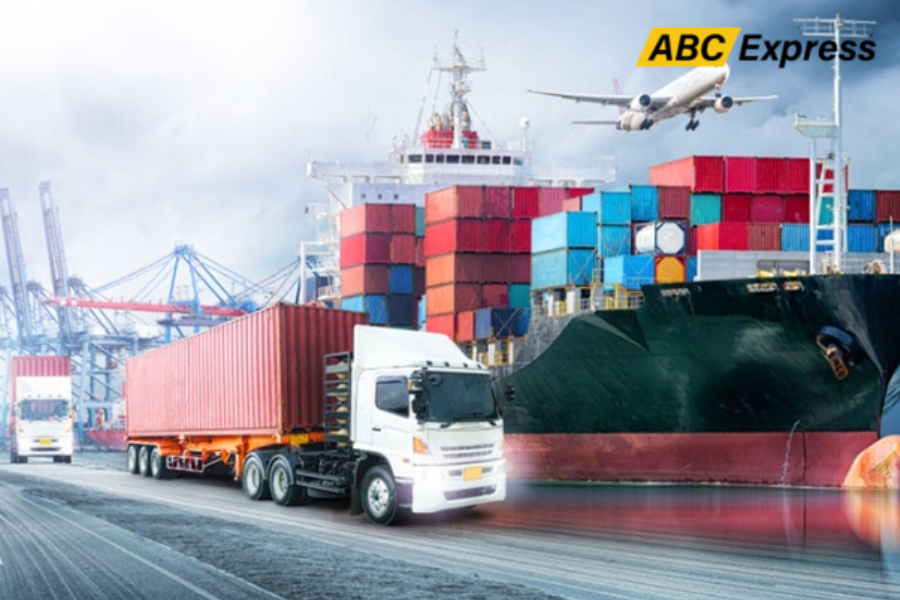
Let’s be honest: logistics can be a maze. Juggling different providers for air freight, ocean freight, trucking, and warehousing often feels like trying to conduct an orchestra where every musician is playing a different song, in a different time zone, with different sheet music. You’re left dealing with endless paperwork, tracking headaches, and communication black holes. One small delay or miscommunication with a single partner can ripple through your entire supply chain, costing you time, money, and customer trust.
What if there was a better way? A strategy that turns that chaotic maze into a smooth, interconnected superhighway? That strategy is Integrated Logistics Management.
In this blog, we’ll break down what integrated logistics truly means and explore the seven biggest benefits of integrated logistics management that can transform your business operations.
What is Integrated Logistics Management?
In simple terms, Integrated Logistics Management is the seamless coordination of all logistics activities—transportation, warehousing, inventory management, order fulfillment, and information systems—under a single, unified strategy. Instead of managing multiple vendors who work in silos, you partner with a single provider (like ABC Express) that oversees the entire process.
This holistic approach connects every step of the supply chain, from the manufacturer to the end customer, through a centralized flow of information and management. The core components of integrated logistics management include:
- Transportation Management (across all modes)
- Warehouse and Storage Solutions
- Inventory Management
- Order Processing and Fulfillment
- Packaging and Handling
- Integrated Information and Technology Systems
By synchronizing these components of integrated logistics management, businesses gain unparalleled visibility and control. Now, let’s dive into the advantages.
The 7 Key Advantages of Integrated Logistics Management
1. Unmatched Visibility and Control
This is the superstar benefit. An integrated logistics solution provides a single dashboard or platform to see your entire supply chain in real-time. You know exactly where your shipment is, whether it’s on a ship, a plane, or a truck. This end-to-end visibility allows for proactive decision-making, reducing surprises and enabling you to manage disruptions before they become major problems.
2. Significant Cost Reduction
When logistics functions are siloed, inefficiencies are inevitable. You might be paying for overlapping services, expedited shipping to fix delays, or excess inventory “just in case.” The advantages of integrated logistics management include consolidating services, optimizing routes, and reducing redundant stockpiles. This streamlined approach eliminates waste and unlocks massive cost savings across the board.
3. Enhanced Customer Satisfaction
Today’s customers expect accurate, real-time tracking and on-time deliveries. An integrated system gives you the tools to meet these expectations. You can provide customers with precise delivery windows and proactive updates, building trust and loyalty. Happy customers are repeat customers, and nothing builds happiness like reliability.
4. Improved Efficiency and Productivity
An integrated logistics solution automates and streamlines processes that were once manual and time-consuming. From automated order processing to optimized warehouse picking routes, tasks are completed faster and with fewer errors. This frees up your team to focus on strategic growth rather than putting out daily logistical fires.
5. Scalability and Flexibility
As your business grows, your logistics needs become more complex. The beauty of an integrated system is its inherent scalability. Whether you’re launching in a new market, dealing with seasonal spikes, or changing your product line, your logistics partner can seamlessly adjust the entire supply chain to meet new demands without missing a beat.
6. Data-Driven Decision Making
With all your logistics data flowing into one central system, you gain access to powerful analytics. You can identify trends, pinpoint bottlenecks, measure performance, and forecast future needs with greater accuracy. This moves your strategy from reactive guesswork to proactive, data-backed planning.
7. Comprehensive Risk Management
From port strikes to weather events, supply chains are vulnerable to risk. The importance of integrated logistics shines here. A single provider managing the entire chain can quickly develop and execute contingency plans. If a port is closed, they can reroute shipments. If a warehouse is full, they can allocate inventory to another. This resilience is critical for business continuity.
Conclusion
The importance of integrated logistics cannot be overstated in today’s fast-paced, global market. The transition from a fragmented, multi-vendor model to a unified integrated logistics solution is a powerful strategic move. The benefits of integrated logistics management—from crushing costs and boosting efficiency to delighting customers and managing risk—directly contribute to a stronger, more competitive, and more profitable business.
Partnering with an expert who understands the intricate components of integrated logistics management is the first step. At ABC Express, we don’t just move boxes; we design seamless, intelligent supply chain solutions tailored to your unique needs.
Ready to transform your logistics from a maze into a superhighway? Contact ABC Express today and let’s discuss building your integrated logistics strategy.