Most businesses only think about transportation when something goes wrong. A delayed shipment. A damaged consignment. A truck nobody can locate. That’s the wrong time to start learning.
The types of transportation available — road, rail, water, air — each work differently, cost differently, and suit different cargo. Choosing the wrong one isn’t just inconvenient. It hits your margins, delays your customers, and creates problems that are entirely avoidable.
This guide covers the four major types of transportation used in India — what each one does, where it works, and where it doesn’t.
What Are Types of Transportation?
A type of transportation is the method used to move goods or people from one location to another — the vehicle, the infrastructure, and the system that supports it, all together.
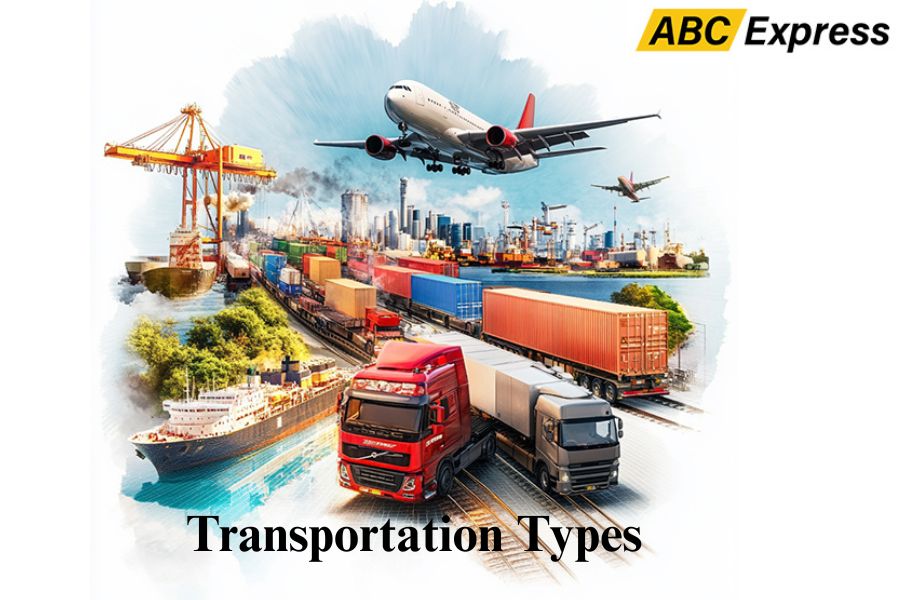
The different types of transportation are grouped into four core categories: road, rail, water, and air. Some add a fifth — multimodal — which combines two or more modes for efficiency on longer or more complex routes.
Each one has a clear use case. None of them is universally best. The right one depends on what you’re moving, where it’s going, and how fast. Getting this wrong costs money — getting it right consistently is what separates good logistics from expensive ones.
Different Types of Transportation
1. Trucks (Road Transport)
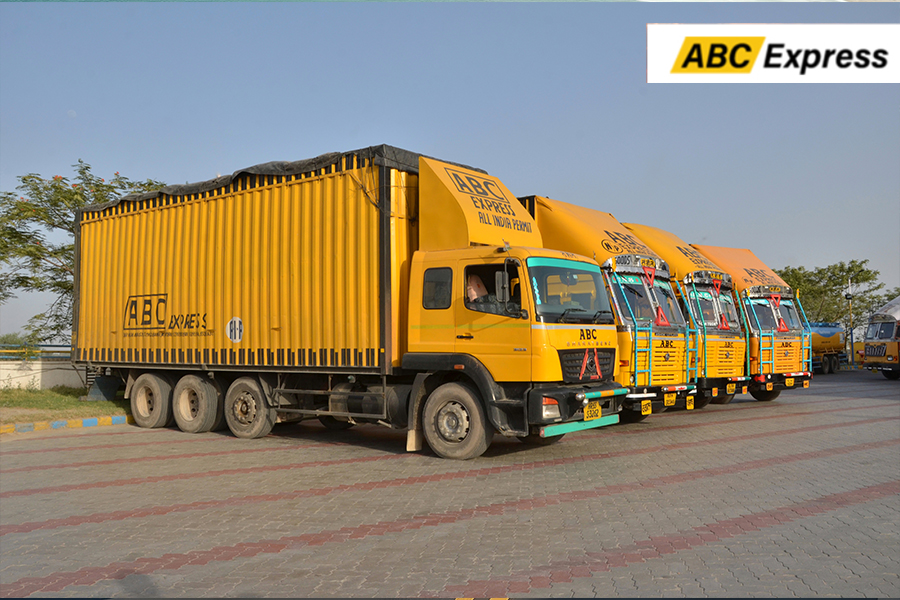
Road transport moves over 60% of India’s freight. That number alone explains why it dominates every supply chain conversation.
Trucks, tempos, and container vehicles reach every corner of the country — metro cities, tier-2 towns, rural areas, industrial clusters tucked off the main highway. No other mode comes close on sheer reach. You get door-to-door delivery, flexible scheduling, and real-time GPS tracking when you work with a provider who’s set up properly.
It’s not without limitations. Traffic congestion is real. Monsoon season disrupts certain corridors. Long hauls cost more per km than rail. But for last-mile access and daily flexibility, road is irreplaceable — and the type of transportation most businesses in India rely on.
2. Trains (Railway Transport)

Indian Railways moves coal, steel, cement, grain, and automobiles across the country at costs road transport can’t match over long distances.
The cost per tone drops sharply the longer the route. For manufacturers dealing in heavy, bulk goods with flexible delivery timelines, rail is a serious option. It also has a lower carbon footprint per unit moved than road — which matters more to procurement teams now than it did a few years ago.
The limitation is last-mile access. Rail moves cargo from hub to hub — you still need trucks at both ends. If your destination doesn’t have a nearby railhead, the economics shift against you quickly.
3. Ships (Water Transport)
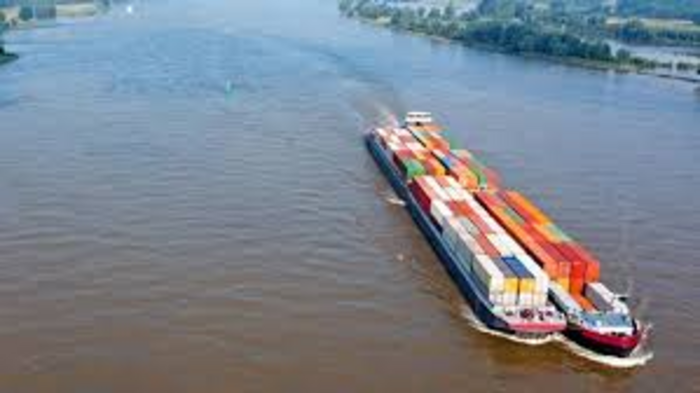
Water is the cheapest option for bulk, high-volume cargo. The tradeoff is time — transit takes weeks, not days.
India’s 13 major ports handle billions in cargo every year — container ships, bulk carriers, tankers, roll-on/roll-off vessels. Use it for non-perishable goods where cost matters more than speed. Don’t use it when your customer has a deadline.
4. Airplanes (Air Transport)
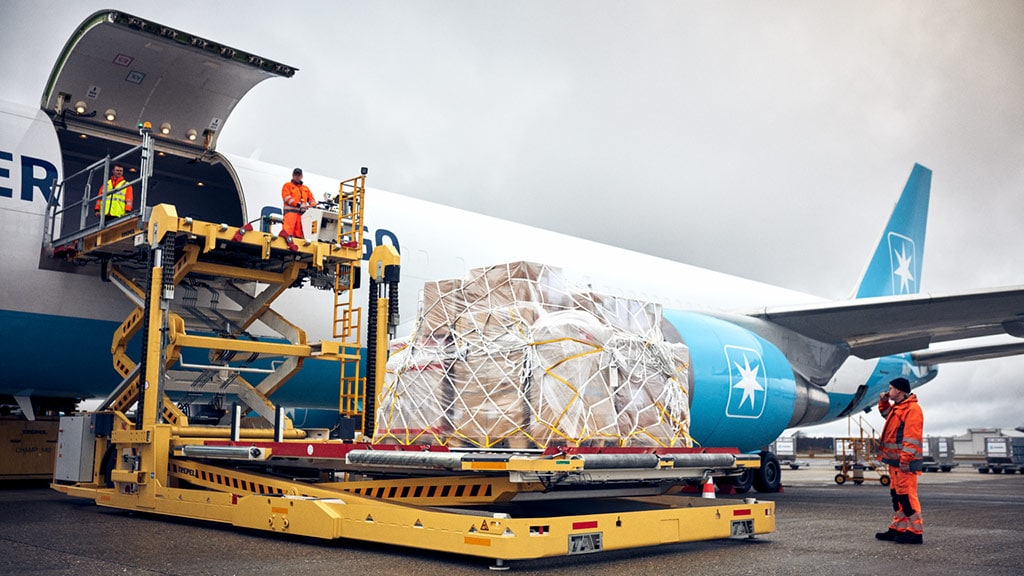
Under 24 hours, continent to continent. For medicines, electronics, perishables, and high-value goods — air is often the only mode that makes sense.
The cost is real — typically four to five times road per kg. Weight restrictions, size limits, and weather delays are genuine constraints. But if your shipment needs air, the cost conversation is secondary.
Types of Water Transport
The types of water transport in India cover two distinct areas: inland waterways and maritime shipping.
Inland waterways — rivers and canals — are still underdeveloped for commercial freight in most parts of the country. The Sagarmala programme is working to change that, but it’s a long-term shift.
Maritime shipping is a different story. The types of water transport operating through India’s major ports include container ships, bulk carriers, tankers, and roll-on/roll-off vessels. These move everything from raw materials to finished consumer goods at a scale and cost no other mode can touch.
The constraint is always time. Water is slow. If your cargo is non-perishable and the delivery window is flexible, it’s the most cost-effective option on the table. If speed matters, it isn’t.
Types of Air Transport
The types of air transport in logistics break into two: belly cargo — the space inside passenger aircraft holds — and dedicated cargo freighters. Both move shipments faster than anything else available.
India’s air cargo capacity is also expanding. Upgraded terminals are coming online in Hyderabad, Bengaluru, and Ahmedabad, which means more routes and more available capacity for time-sensitive freight.
The types of air transport serve a narrow but important category. High-value goods. Perishables. Pharmaceuticals. Anything where missing a delivery window has serious downstream consequences. For that category, it’s not about cost — it’s about whether the shipment arrives when it needs to.
Types of Transport in India
Understanding the types of transport in India means making decisions based on actual ground conditions, not assumptions.
India is a large country with uneven infrastructure. A route that works well for road may be completely impractical for water. A cargo type suited for air can’t justify the cost on rail.
| Mode | Best For | Speed | Cost | Reach |
| Road | Door-to-door, short–medium distance | Fast | Medium | Highest |
| Rail | Bulk goods, long-distance hauls | Moderate | Low | Medium |
| Water | International cargo, heavy bulk | Slow | Lowest | Port-limited |
| Air | Urgent, high-value, perishables | Fastest | Highest | Global |
The types of transport in India are evolving too. Electric trucks are moving from pilot to operational. The Dedicated Freight Corridor is live in sections, separating goods trains from passenger traffic and enabling faster bulk movement. Water transport is gaining investment through Sagarmala. Air cargo terminals are expanding in more cities.
All four modes are changing, and understanding that trajectory gives any business a practical edge as India’s logistics infrastructure continues to build out.
How to Choose the Right Type?
No single mode wins every situation. Choosing between the different types of transportation comes down to four honest questions.
What are you shipping? Heavy bulk goods belong on rail or water. Fragile, time-sensitive, or high-value cargo needs road or air.
How quickly does it need to arrive? If the deadline is tight, road or air. If there’s flexibility, rail or water cuts costs considerably.
What’s your actual budget? Air is expensive. Water is cheapest at scale. Road is the practical middle — flexible enough for most daily freight requirements.
Where exactly is it going? If the destination lacks rail access or port proximity, road is usually your only real option. For most businesses operating across India, it already handles the bulk of their freight anyway.
Getting the mode right matters. So does the partner executing it.
Conclusion
Road, rail, water, air. These are the 4 types of transportation moving goods across India — each with a different cost, speed, and reach. No business gets logistics right by defaulting to one and ignoring the rest.
The smart approach is straightforward: understand what each mode is actually suited for, match it to your cargo and timeline, and then find a partner who can deliver without excuses.
For road logistics, where most Indian businesses live — the partner matters more than anything else.
ABC Express has been operating since 1958. 300+ trucks, 80,000+ km covered every day, a 3–4 day delivery TAT, and a client list that includes Jindal Steel, Kajaria, and Century Ply. If you need a road logistics partner that actually delivers, visit abctransport.co.in.