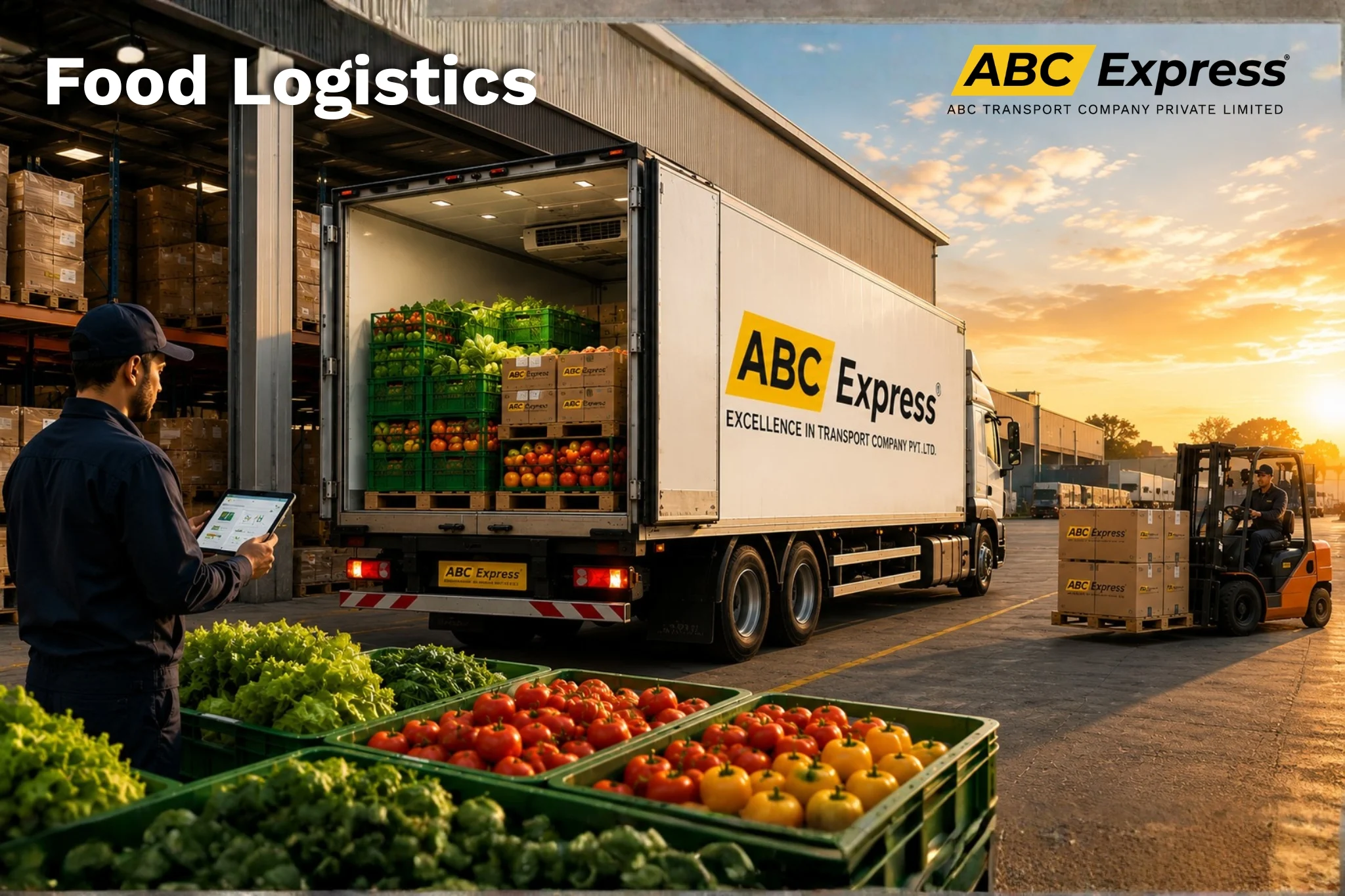
Tomatoes grown in Maharashtra show up fresh in Delhi grocery stores the next day. Dairy products travel 500 kilometers and arrive cold enough to use immediately. Fish caught on the coast reaches inland restaurants within hours, still fresh enough to serve. None of this happens by accident. It’s food logistics making it work.
Most people only notice the Food Supply Chain when something breaks. Vegetables arrive rotten at the store. Restaurant milk delivery shows up warm and spoiled. Frozen items thaw somewhere in transit and arrive refrozen and useless. But when food logistics actually functions properly, products move across the country and arrive in the same condition they started.
For anyone handling food products – farmers, manufacturers, distributors, retailers – understanding how food logistics actually works is the difference between products reaching customers fresh versus creating complaints, returns, and a pile of wasted food.
What Food Logistics Actually Means?
Food logistics is moving food from where it’s grown or made to where people consume it. Sounds straightforward. It’s anything but.
Unlike shipping furniture or electronics, food logistics deals with stuff that goes bad. Milk spoils within hours at room temperature. Vegetables wilt. Meat develops bacteria in certain temperature ranges. Frozen items thaw. Packaging breaks and products get contaminated.
The process involves farms or processing plants, cold storage warehouses, refrigerated trucks, distribution centers, and finally stores or restaurants. Food logistics coordinates all these stages so products stay safe and fresh while meeting food safety regulations.
Take ice cream. From the dairy plant to the neighborhood store, it needs to stay frozen continuously. Break that cold chain anywhere – even for thirty minutes – and you’ve got melted, refrozen, potentially unsafe ice cream. Food logistics is what keeps that from happening.
How the Food Chain Logistics Process Works?
Food logistics follows specific stages where each one depends on the previous step being done correctly:
Harvesting or Manufacturing – Food starts at farms (produce, dairy, meat) or factories (packaged foods, beverages). Proper handling begins here. Dairy that isn’t chilled immediately at the farm won’t magically become fresh through cold chain logistics later.
Initial Storage – Products move to cold storage or warehouses. Temperature-sensitive items like dairy, meat, seafood need refrigeration immediately. Even vegetables need specific temperature and humidity. How well this storage facility operates matters more than people think.
Primary Transport – Products move from source to distribution hubs. This is where food logistics gets complicated fast. Refrigerated trucks for cold items. Covered transport for dry goods. GPS tracking. Temperature sensors verifying conditions throughout the journey. All of it needs to work together.
Distribution Centers – Large facilities receive products, sort them, prepare outbound shipments to stores or restaurants. These centers run cold storage at different temperature zones. Frozen stuff at -18°C. Chilled dairy at 2-4°C. Fresh produce at whatever temperature each type needs. Everything was kept separate and maintained properly.
Last-Mile Delivery – Final transport to stores, restaurants, or consumers directly. Shortest part of the journey, often the hardest part. Multiple stops mean loading and unloading repeatedly. Every time the truck door opens, the temperature changes. Time pressure to finish deliveries before products start degrading.
Break down anywhere in food logistics and you get product loss, safety problems, or both.
Key Factors That Make or Break Food Logistics
Several things determine whether food logistics succeeds or fails completely:
Food Safety Requirements
Food safety isn’t optional or negotiable. It’s regulated. FSSAI standards in India specify exactly how food must be stored, transported, handled. Temperature logs need maintenance. Vehicles must meet cleanliness standards. Workers need food safety training.
Contamination can happen at any stage. Raw and cooked products need separation. Trucks need cleaning protocols between loads. Packaging must protect products from environmental exposure.
The best food logistic company understands these requirements aren’t paperwork exercises. They’re what separates safe food reaching consumers from outbreaks, recalls, and businesses shutting down.
Technology in Food Logistics
Technology changed what’s possible in food logistics. Ten years ago, you sent a truck and hoped products arrived okay. Now technology provides visibility and control throughout.
Real-time tracking shows exactly where shipments are right now. Temperature sensors alert if conditions fall outside safe ranges. Data analytics predict optimal routes considering traffic, weather, multiple stops.
IoT sensors inside refrigerated trucks transmit temperature data constantly. Refrigeration unit starts failing? Alerts go out immediately. Trucks can reroute to the nearest service point before products are lost.
Automated warehouses handle food with less human contact, reducing contamination risks. RFID tags track individual pallets, improving inventory accuracy and reducing losses from expired stock sitting forgotten in corners.
Technology in Food Logistics doesn’t just improve efficiency. It makes food safety more reliable and traceable when problems happen.
Time Sensitivity
Time destroys food. Vegetables lose nutritional value and freshness by the hour. Dairy spoils. Meat becomes unsafe. Even packaged foods have shelf life counting down from production.
Food logistics operates under constant time pressure. Delays equal product degradation. Long transit times require stricter cold chain control. Efficient routes, quick loading and unloading, minimal handling time – all of it matters.
Express delivery networks for food prioritize speed. Products harvested Monday morning reach distribution centers by evening and sit on retail shelves Tuesday morning. This speed preserves quality and extends usable shelf life at the consumer end.
Temperature Control
Temperature control is where food logistics either works or fails. Different products need different temperatures. Frozen items at -18°C or colder. Chilled dairy at 2-4°C. Fresh produce at varying temperatures depending on type.
Maintaining these temperatures consistently throughout transport separates good food logistics from product losses. Refrigerated trucks with backup systems. Pre-cooled loading bays. Quick transfers between vehicles. Insulated packaging for last-mile delivery.
Break the cold chain even briefly and products can become unsafe or degrade to where they can’t be sold. Temperature abuse shows up in audits, customer complaints, and food waste costs that add up fast.
Regulatory Compliance
Food logistics operates under multiple overlapping regulations. FSSAI mandates covering food safety. Transport regulations for vehicles carrying food. State rules for moving certain items across borders. Export requirements if shipping internationally.
Compliance means documentation. Temperature logs throughout transport. Vehicle inspection certificates. Driver training records. Product traceability from origin to destination. Bills of lading with accurate product descriptions.
Companies handling food logistics need systems ensuring compliance isn’t just claimed but actually proven through records that survive audits.
Benefits When Food Logistics Actually Works
When food logistics functions properly, several benefits show up:
Less Food Gets Wasted – Proper handling, temperature control, efficient transport mean more food reaches consumers in usable condition. Less spoilage at every stage. Less loss. Less waste throughout the entire Food Supply Chain.
Better Food Safety – Controlled conditions and traceable processes reduce contamination risks and safety incidents. When problems do occur, traceability helps identify and isolate affected batches quickly instead of guessing which products might be compromised.
Products Reach More Markets – Reliable food logistics lets producers reach customers farther away. Dairy farmers in one state serve customers in another. Greener Logistics services using efficient routes also reduce environmental impact while expanding reach.
Fresher Products for Consumers – Fast, temperature-controlled transport means consumers get fresher food. Vegetables with more nutritional value are still intact. Dairy products with longer remaining shelf life. Better eating quality across the board.
Lower Costs – Less food waste means better margins. Efficient routes reduce transport costs. Technology prevents problems that cost way more to fix than prevent. Overall logistics costs drop when food logistics is handled well.
Happier Customers – Retailers receive products in sellable condition. Restaurants get reliable supplies that arrive usable. Consumers find fresh food at stores. Everyone in the supply chain benefits from logistics that work.
Challenges That Make Food Logistics Difficult
Food logistics isn’t simple. Several challenges keep it complicated:
Infrastructure Gaps – Not all routes have cold storage facilities. Some areas lack refrigerated warehouses. Last-mile delivery in smaller towns often has zero cold chain capabilities. These gaps create risk points where the cold chain can break.
Cost Pressures – Refrigerated transport costs more than regular trucks. Temperature monitoring adds expenses. Compliance requirements need investment. Food products often have thin margins making these costs challenging to absorb while staying competitive.
Demand Keeps Changing – Food consumption varies by season, festivals, weather patterns. Logistics capacity needed during peak times sits unused during slow periods. Balancing capacity with variable demand without letting products spoil during busy times is tricky.
Handling Gets Complex – Different foods need different handling. You can’t transport raw meat and fresh produce together. Some items need humidity control beyond just temperature. Loading sequences matter to prevent damage. Training and systems need to account for all this complexity.
Unpredictable Factors – Traffic delays you didn’t expect. Vehicle breakdowns. Weather disruptions. Power outages affecting cold storage. Any of these can compromise products if contingency plans aren’t already in place.
Despite these challenges, food logistics keeps improving as companies invest in better technology, infrastructure, and expertise.
Finding the Right Food Logistics Partner
If your business needs food logistics, choosing the right partner matters way more than you might think. Here’s what actually matters:
Cold Chain Infrastructure – Do they have refrigerated trucks? Cold storage facilities at the locations you need? Backup refrigeration systems for when primary systems fail? Infrastructure determines whether they can maintain food safety consistently or just claim they can.
Technology Capabilities – Real-time tracking so you know where shipments are? Temperature monitoring that alerts when conditions fall outside safe ranges? Data analytics for route optimization? Technology separates companies that actually know what’s happening from companies that guess and hope.
Food Safety Certifications – FSSAI compliance? ISO certifications? Actual food safety training programs for staff? These indicate systematic approaches to food safety, not just claims on a website.
Geographic Coverage – Can they reach all your distribution points? Infrastructure in multiple locations means shorter distances and faster deliveries instead of everything routing through one hub far away.
Specialized Experience – Do they handle food products regularly? Understanding food logistics specifically matters. General logistics companies don’t always grasp the urgency and safety requirements food products demand.
Track Record You Can Verify – Talk to existing customers. Check references from companies similar to yours. Strong reputations in food logistics get earned by not screwing up repeatedly over years.
For businesses in India handling food products, working with established providers like ABC Express who understand food safety requirements and operate temperature-controlled fleets reduces the risk of product losses and safety incidents that damage your business and reputation.
Wrapping This Up
Food logistics connects farms and factories to consumers’ tables. It’s the specialized process of moving perishable products safely through the Food Supply Chain while maintaining quality, safety, and freshness from origin to destination.
The complexity comes from dealing with products that actively degrade over time, require specific storage conditions, and operate under strict regulations. Food safety, Technology in Food Logistics, temperature control, time sensitivity, regulatory compliance – all of these factor into whether food logistics succeeds or fails at any given stage.
Whether you’re producing food, distributing it, or retailing it, understanding food logistics helps you make smarter decisions about how products move through your supply chain. The right logistics partner doesn’t just move food from point A to point B – they move it safely, efficiently, and in a condition that preserves the quality your customers expect and deserve.